


Natural Treatments For High Blood Pressure


Natural Remedies to Help Manage High Blood Pressure: An Evidence-Based Guide to Protecting Your Heart Naturally
Introduction: Understanding High Blood Pressure
High blood pressure, medically known as hypertension, is often called the “silent killer” because it can quietly damage the body for years without causing noticeable symptoms. Millions of people discover they have hypertension only after suffering a heart attack, stroke, kidney disease, or vision loss. Fortunately, research over the last three decades has shown that many cases of high blood pressure are strongly influenced by lifestyle, nutrition, stress, sleep, and metabolic health.
Blood pressure is the force exerted by circulating blood against the walls of your arteries. A healthy artery is flexible and able to expand with each heartbeat. When arteries become stiff, inflamed, or narrowed, the heart must pump harder to move blood through the body, increasing blood pressure over time.
While medication is essential for many individuals especially those with severe or high-risk hypertension natural strategies can play a major role in prevention and, in many cases, improve blood pressure alongside medical care. The goal is not simply to lower the numbers on a blood pressure monitor but to restore the health of the blood vessels, reduce inflammation, improve circulation, and protect vital organs.
“The good physician treats the disease; the great physician treats the patient who has the disease.”
– William Osler
What Causes Hypertension?
High blood pressure rarely develops from a single cause. It is usually the result of several factors interacting over many years.
Modern medical perspective & Common contributors include:
- Excess sodium intake
- Low potassium consumption
- Obesity and excess abdominal fat
- Physical inactivity
- Chronic psychological stress
- Smoking and excessive alcohol use
- Diabetes and insulin resistance
- Chronic kidney disease
- Hormonal disorders
- Family history and increasing age
These factors increase resistance inside the arteries, making it more difficult for blood to circulate efficiently.
Functional medicine perspective:
Functional medicine looks deeper into why blood pressure becomes elevated. Instead of focusing only on the blood pressure reading, it examines the biological processes driving it.
Important contributors include:
– Chronic low-grade inflammation
– Oxidative stress from poor diet and pollution
– Damage to the vascular endothelium (the inner lining of blood vessels)
– Poor nitric oxide production
– Magnesium deficiency
– Vitamin D deficiency
– Sleep disorders such as obstructive sleep apnea
– Gut microbiome imbalance
– Chronic elevations in cortisol caused by prolonged stress.
Many of these factors can be improved through healthy lifestyle changes.
The Silent Damage of High Blood Pressure
High blood pressure is dangerous because it often causes no symptoms until significant damage has already occurred.
Persistent hypertension gradually injures the delicate lining of blood vessels, known as the endothelium. Once damaged, arteries become less elastic, inflammation increases, and cholesterol is more likely to accumulate, accelerating atherosclerosis.
Without proper management, hypertension increases the risk of:
- Heart attack
- Stroke
- Heart failure
- Kidney disease
- Vision impairment
- Cognitive decline and some forms of dementia
One of the most important goals of treatment is therefore to preserve vascular health before irreversible complications develop.

The Science Behind Healthy Blood Vessels
Most people believe hypertension is purely a heart problem. In reality, much of the issue lies within the blood vessels themselves. The inner lining of every artery contains endothelial cells that release nitric oxide, a naturally occurring molecule that signals arteries to relax and widen. Healthy nitric oxide production allows blood to flow with less resistance. Poor nutrition, smoking, chronic inflammation, diabetes, and aging reduce nitric oxide availability. This causes arteries to become stiffer and narrower, making blood pressure rise. Supporting endothelial function is one of the most effective natural approaches to maintaining healthy circulation.

Top Scientifically Supported Natural Ways to Support Healthy Blood Pressure
Hypertension does not develop overnight, and neither does recovery. The health of your arteries reflects years of daily choices what you eat, how you move, how well you sleep, how you manage stress, and how effectively your body controls inflammation.
Natural strategies are most powerful when combined rather than used individually. A nutrient-rich diet, regular movement, healthy weight, restorative sleep, and evidence-based herbal approaches can work together to improve vascular health and reduce cardiovascular risk. Some of the powerful changes to adapt are:
1. Eat More Potassium-Rich Foods
Many people consume excessive sodium but insufficient potassium. Potassium helps the kidneys remove excess sodium, supports healthy muscle function, and assists blood vessels in relaxing.
Excellent food sources include: Bananas, Avocados, Spinach, Sweet potatoes, White beans, Lentils, Pumpkin, Coconut water (without added sugar). Unless you have kidney disease or have been advised otherwise by your healthcare professional, increasing dietary potassium is generally more beneficial than relying on supplements.
2. Reduce Excess Sodium; Without Eliminating It Completely
Sodium is essential for normal body function, but modern diets often provide far more than required. The largest sources of sodium are not the salt shaker but highly processed foods, packaged snacks, processed meats, fast food, and restaurant meals. Instead of simply removing salt, focus on preparing meals from fresh ingredients while seasoning with herbs, spices, garlic, lemon, and natural flavorings.
3. Prioritize Blood Sugar Control
High insulin levels encourage sodium retention, activate the sympathetic nervous system, and increase vascular stiffness.
Reducing refined sugars, sugary beverages, and ultra-processed carbohydrates while increasing fiber-rich foods helps stabilize blood sugar and indirectly supports healthy blood pressure.
4. Increase Dietary Nitrate Intake
Leafy green vegetables and beetroot contain natural nitrates that the body converts into nitric oxide. Improved nitric oxide production helps arteries relax and supports healthy circulation.
Rich sources include: Beetroot, Arugula, Spinach, Lettuce, Celery. Several clinical studies have demonstrated modest reductions in blood pressure following regular beetroot juice or dietary nitrate consumption.
5. Lose Excess Body Fat
Even modest weight reduction can significantly improve blood pressure. Abdominal fat is metabolically active and releases inflammatory substances that interfere with normal vascular function.
Research shows that losing as little as 5-10% of body weight may improve blood pressure, insulin sensitivity, and overall cardiovascular health.
6. Follow a Mediterranean or DASH-Style Eating Pattern
Large clinical studies consistently show that diets emphasizing whole foods help reduce blood pressure.
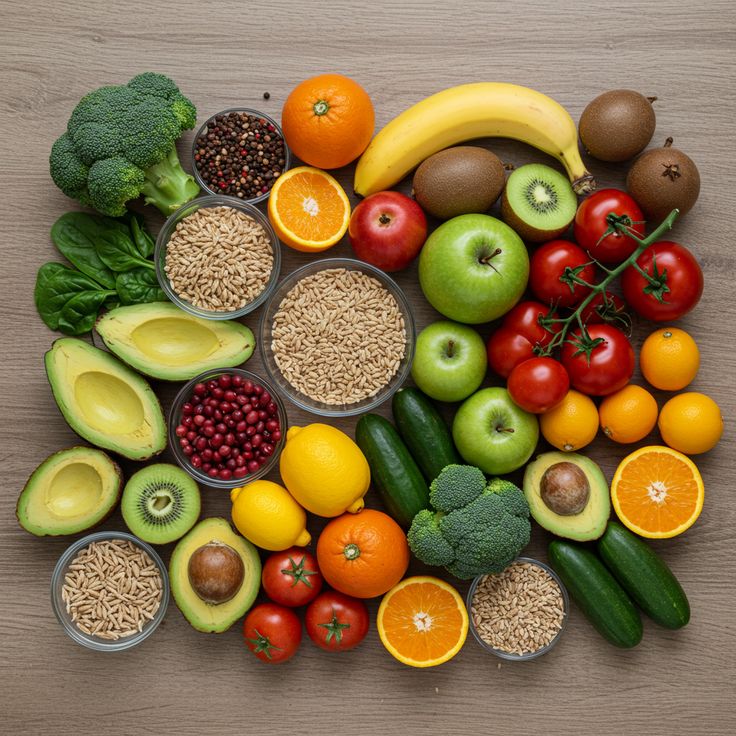
These dietary patterns include: Vegetables, Fruits, Whole grains. Legumes, Nuts, Seeds, Olive oil, Fish, Moderate dairy intake, Limited processed foods. These foods provide fiber, antioxidants, magnesium, potassium, and healthy fats that support vascular health.
The DASH (Dietary Approaches to Stop Hypertension) diet is one of the most extensively researched nutritional approaches for lowering high blood pressure naturally. Designed specifically to improve cardiovascular health, numerous clinical trials have shown that it can significantly reduce blood pressure while also lowering the risk of heart disease, stroke, and kidney complications.
The DASH diet focuses on whole, nutrient-rich foods that nourish the blood vessels and support healthy circulation. It emphasizes fruits, vegetables, whole grains, legumes, nuts, seeds, low-fat dairy, lean proteins, and healthy fats such as olive oil, while limiting processed foods, excess sodium, sugary drinks, red meat, and saturated fats.
This eating pattern is naturally rich in potassium, magnesium, calcium, fiber, and antioxidants—nutrients that help relax blood vessels, improve endothelial function, reduce inflammation, and assist the kidneys in maintaining a healthy sodium balance. Together, these effects contribute to healthier blood pressure and better overall heart health.
A simple way to follow the DASH diet is to fill half your plate with vegetables and fruits, one-quarter with lean protein, and one-quarter with whole grains, while choosing fresh, minimally processed foods whenever possible. When combined with regular physical activity, adequate sleep, and stress management, the DASH diet provides one of the strongest evidence based lifestyle strategies for managing high blood pressure naturally.
“A human being fills no worse vessel than his stomach. It is sufficient for a human being to eat a few mouthfuls to keep his spine straight. But if he must (fill it), then one third for food, one third for drink, and one third for air.”
– Prophet Muhammad (peace and blessings be upon him)

How Lifestyle Influences Blood Pressure
One of the most remarkable discoveries in preventive medicine is that everyday habits can profoundly influence blood pressure.
Healthy arteries depend on several interconnected systems:
- Efficient production of nitric oxide, which relaxes blood vessels.
- Balanced nervous system activity.
- Healthy kidney function.
- Stable blood sugar levels.
- Low inflammation.
- Good sleep quality.
- Regular physical activity; 2-3km walking.
Small improvements across these areas often produce greater long-term benefits than relying on a single intervention.

Dr. Syeda Ummiya Mahi
(MBBS, Founder & Research Director ImmuNutra)
Dr. Syeda Ummiya Mahi is a doctor, medical researcher, and founder of ImmuNutra. Her work focuses on evidence based herbal medicine, preventive healthcare, lifestyle medicine, and the scientific integration of botanical therapeutics with modern medical research. She is dedicated to translating high-quality scientific evidence into practical health education and developing safe, research-informed natural health solutions.
References
(Whelton PK, Carey RM, et al. 2017 ACC/AHA Guideline for High Blood Pressure in Adults. Journal of the American College of Cardiology, 2018). (Williams B, Mancia G, et al. 2018 ESC/ESH Guidelines for Arterial Hypertension. European Heart Journal, 2018). (China Hypertension League (CHL). Chinese Guidelines for Prevention and Treatment of Hypertension (2020 Revision). Chinese Journal of Cardiology.)) (Zhang W, Zhang S, Deng Y, et al. (China Kadoorie Biobank Study) Association of blood pressure with cardiovascular disease in Chinese adults. The Lancet, 2018). (Liu LS (Chinese Society of Cardiology). Hypertension management strategies in China. Journal of Geriatric Cardiology, 2019). (Sacks FM, Appel LJ, et al. DASH-Sodium Trial: Dietary approaches to lower blood pressure. New England Journal of Medicine, 2001). (Wang J, Xiong X (China – Traditional Chinese Medicine studies) Anti-hypertensive effects of traditional Chinese herbal formulas. Evidence-Based Complementary and Alternative Medicine.) (Yamaguchi Y, et al. (Japan) Dietary salt sensitivity and cardiovascular risk in East Asian populations. Hypertension Research.) (Khan NA, et al. (Global nutrition research) Potassium intake and blood pressure reduction: systematic review. BMJ Nutrition, Prevention & Health). (Siervo M, et al (UK/Italy collaboration) Beetroot juice and inorganic nitrate reduce blood pressure: Meta-analysis. Journal of Nutrition, 2013.) (Ried K (Australia) & Fakler P (Germany) Garlic and cardiovascular health: Systematic review of clinical trials. Integrated Blood Pressure Control, 2014.) (WHO (World Health Organization, Switzerland) Global status report on hypertension and cardiovascular disease prevention.) (European Society of Cardiology (ESC) Hypertension and lifestyle intervention consensus statements, Europe.) (Indian Council of Medical Research (ICMR) Guidelines for prevention of cardiovascular diseases in Indian population (diet + lifestyle approach). (Patel S, et al. (India – Ayurvedic cardiovascular research review) Role of traditional Ayurvedic herbs in cardiovascular regulation. Journal of Ethnopharmacology).